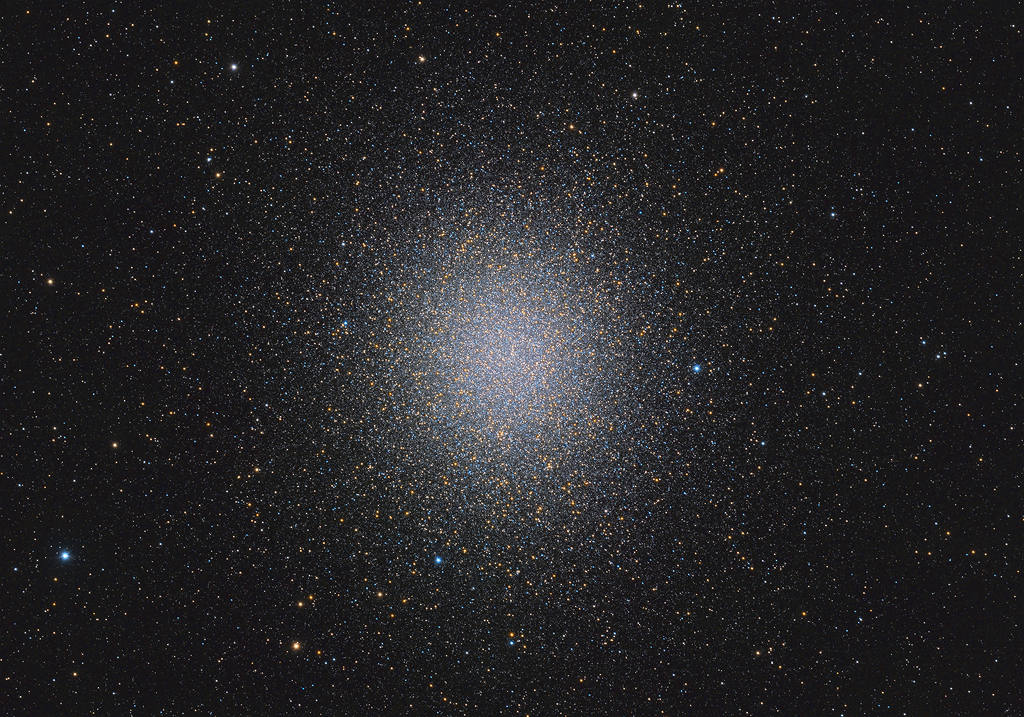
Millions of Stars in Omega Centauri


Globular star cluster Omega Centauri, also known as NGC 5139, is some 15,000 light-years away. The cluster is packed with about 10 million stars much older than the Sun within a volume about 150 light-years in diameter. It’s the largest and brightest of 200 or so known globular clusters that roam the halo of our Milky Way galaxy. Though most star clusters consist of stars with the same age and composition, the enigmatic Omega Cen exhibits the presence of different stellar populations with a spread of ages and chemical abundances. In fact, Omega Cen may be the remnant core of a small galaxy merging with the Milky Way. Omega Centauri’s red giant stars (with a yellowish hue) are easy to pick out in this sharp, color telescopic view.

from NASA https://ift.tt/2Rg8p78
via IFTTT
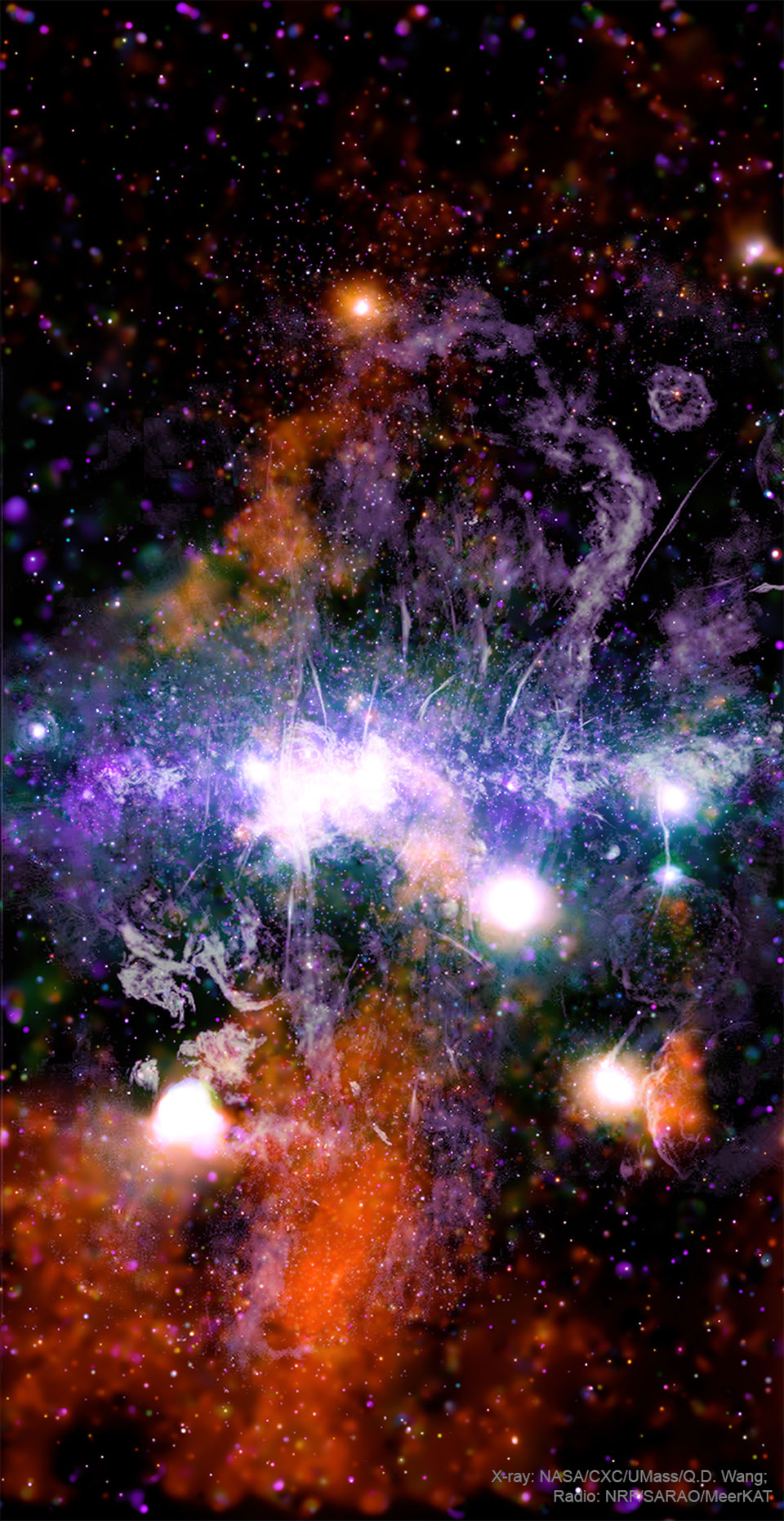
The Galactic Center in Stars, Gas, and Magnetism


What’s going on near the center of our galaxy? To help find out, a newly detailed panorama has been composed that explores regions just above and below the galactic plane in radio and X-ray light. X-ray light taken by the orbiting Chandra Observatory is shown in orange (hot), green (hotter), and purple (hottest) and superposed with a highly detailed image in radio waves, shown in gray, acquired by the MeerKAT array. Interactions are numerous and complex. Galactic beasts such as expanding supernova remnants, hot winds from newly formed stars, unusually strong and colliding magnetic fields, and a central supermassive black hole are all battling in a space only 1000 light years across. Thin bright stripes appear to result from twisting and newly connecting magnetic fields in colliding regions, creating an energetic type of inner galactic space weather with similarities to that created by our Sun. Continued observations and study hold promise to not only shed more light on the history and evolution of our own galaxy — but all galaxies.

from NASA https://ift.tt/2Re30gZ
via IFTTT

Starlink over Orion


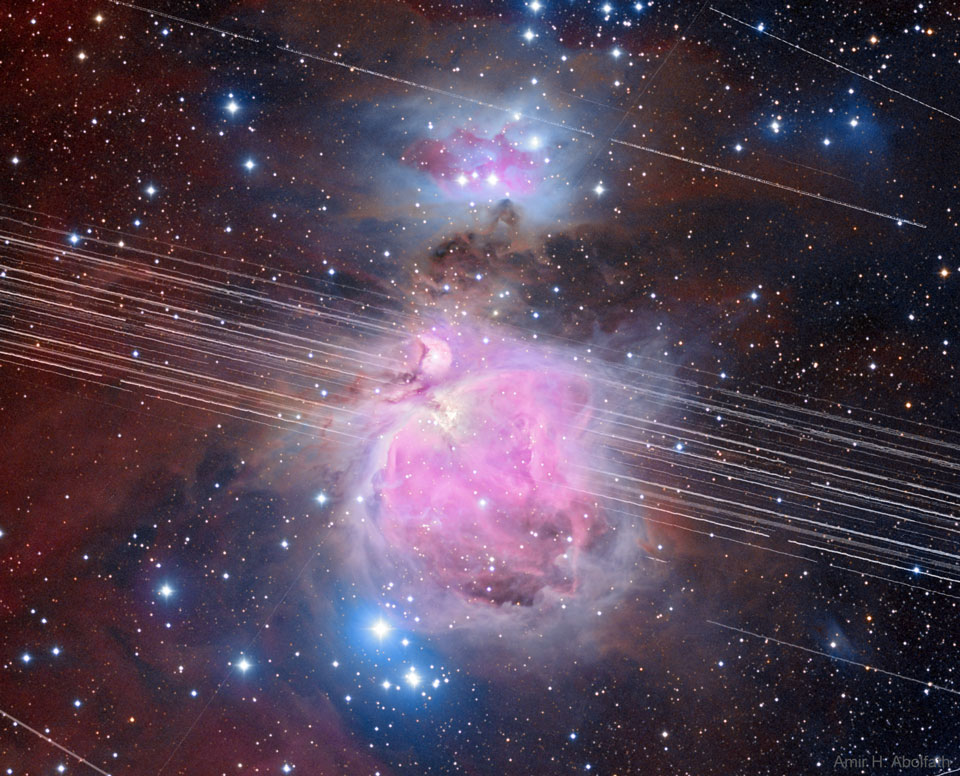
What are those streaks across Orion? Most are reflections of sunlight from numerous Earth-orbiting Starlink satellites. Appearing by eye as a series of successive points floating across a twilight sky, the increasing number of SpaceX Starlink communication satellites are causing concern among many astronomers. On the positive side, Starlink and similar constellations make the post-sunset sky more dynamic, satellite-based global communications faster, and help provide digital services to currently underserved rural areas. On the negative side, though, these low Earth-orbit satellites make some deep astronomical imaging programs more difficult, in particular observing programs that need images taken just after sunset and just before dawn. Planned future satellite arrays that function in higher orbits may impact investigations of the deep universe planned for large ground-based telescopes at any time during the night. The featured picture, taken in 2019 December, is a digital combination of over 65 3-minutes exposures, with some images taken to highlight the background Orion Nebula, while others to feature the passing satellites.

from NASA https://ift.tt/3p8MivT
via IFTTT

Mimas: Small Moon with a Big Crater


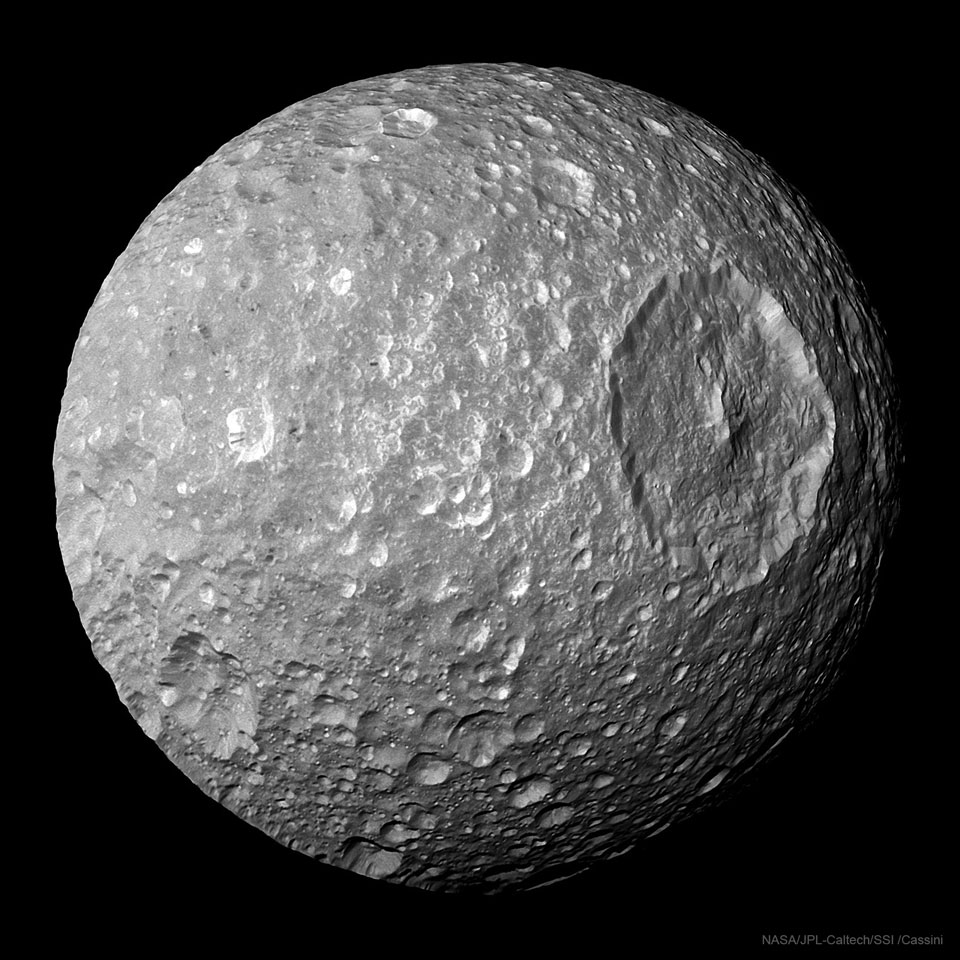
Whatever hit Mimas nearly destroyed it. What remains is one of the largest impact craters on one of Saturn‘s smallest round moons. Analysis indicates that a slightly larger impact would have destroyed Mimas entirely. The huge crater, named Herschel after the 1789 discoverer of Mimas, Sir William Herschel, spans about 130 kilometers and is featured here. Mimas‘ low mass produces a surface gravity just strong enough to create a spherical body but weak enough to allow such relatively large surface features. Mimas is made of mostly water ice with a smattering of rock – so it is accurately described as a big dirty snowball. The featured image was taken during the closest-ever flyby of the robot spacecraft Cassini past Mimas in 2010 while in orbit around Saturn.

from NASA https://ift.tt/3vOenuQ
via IFTTT

Aurora over Clouds


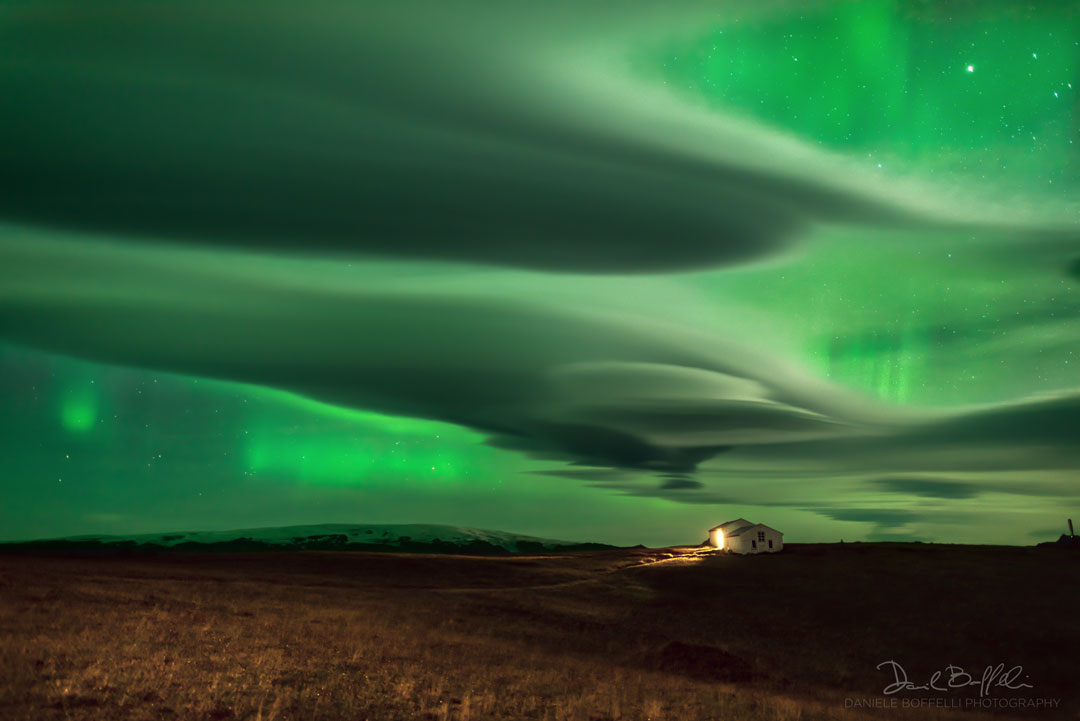
Auroras usually occur high above the clouds. The auroral glow is created when fast-moving particles ejected from the Sun impact the Earth’s magnetosphere, from which charged particles spiral along the Earth’s magnetic field to strike atoms and molecules high in the Earth’s atmosphere. An oxygen atom, for example, will glow in the green light commonly emitted by an aurora after being energized by such a collision. The lowest part of an aurora will typically occur about 100 kilometers up, while most clouds exist only below about 10 kilometers. The relative heights of clouds and auroras are shown clearly in the featured picture in 2015 from Dyrholaey, Iceland. There, a determined astrophotographer withstood high winds and initially overcast skies in an attempt to capture aurora over a picturesque lighthouse, only to take, by chance, the featured picture including elongated lenticular clouds, along the way.

from NASA https://ift.tt/3fysbEb
via IFTTT

Lunar Dust and Duct Tape


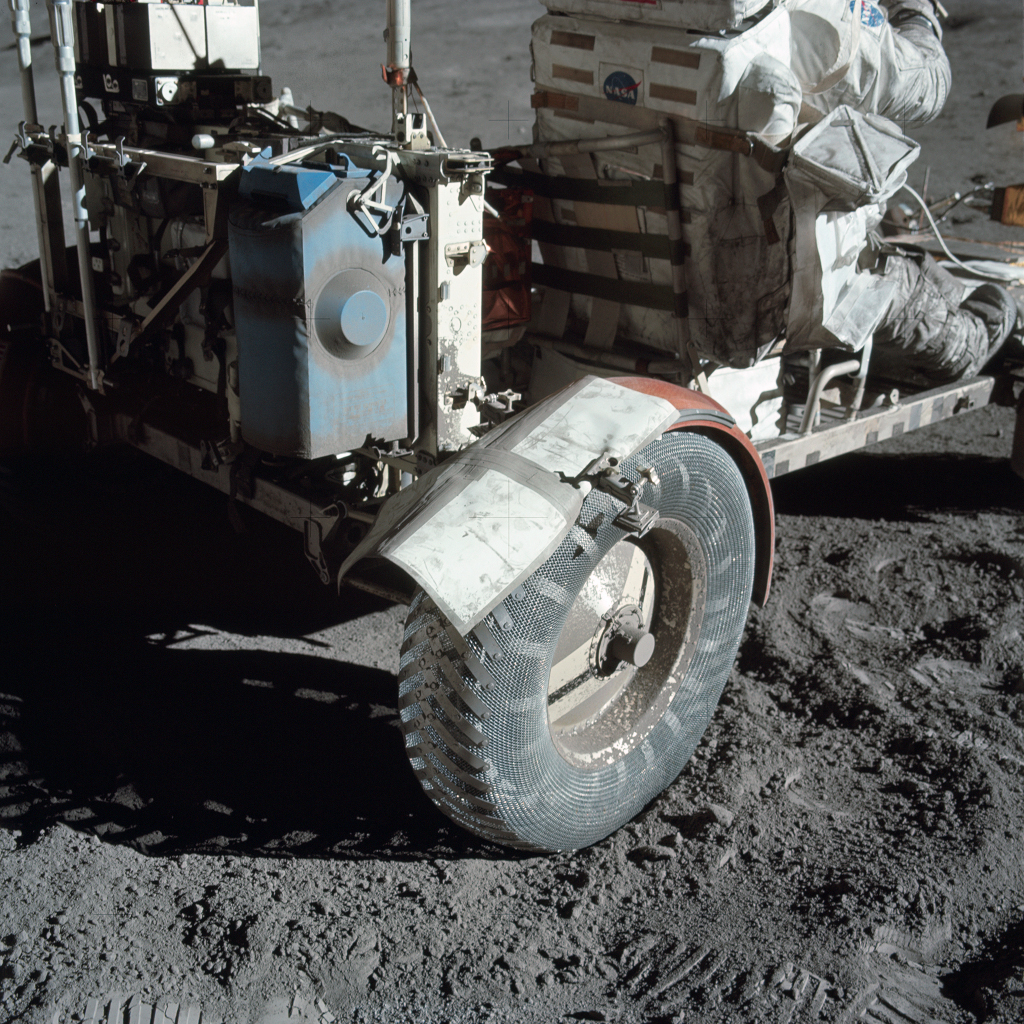
Why is the Moon so dusty? On Earth, rocks are weathered by wind and water, creating soil and sand. On the Moon, the history of constant micrometeorite bombardment has blasted away at the rocky surface creating a layer of powdery lunar soil or regolith. For the Apollo astronauts and their equipment, the pervasive, fine, gritty dust was definitely a problem. On the lunar surface in December 1972, Apollo 17 astronauts Harrison Schmitt and Eugene Cernan needed to repair one of their rover’s fenders in an effort to keep the rooster tails of dust away from themselves and their gear. This picture reveals the wheel and fender of their dust covered rover along with the ingenious application of spare maps, clamps, and a grey strip of “duct tape”.

from NASA https://ift.tt/3urPVhr
via IFTTT

Total Lunar Eclipse from Sydney


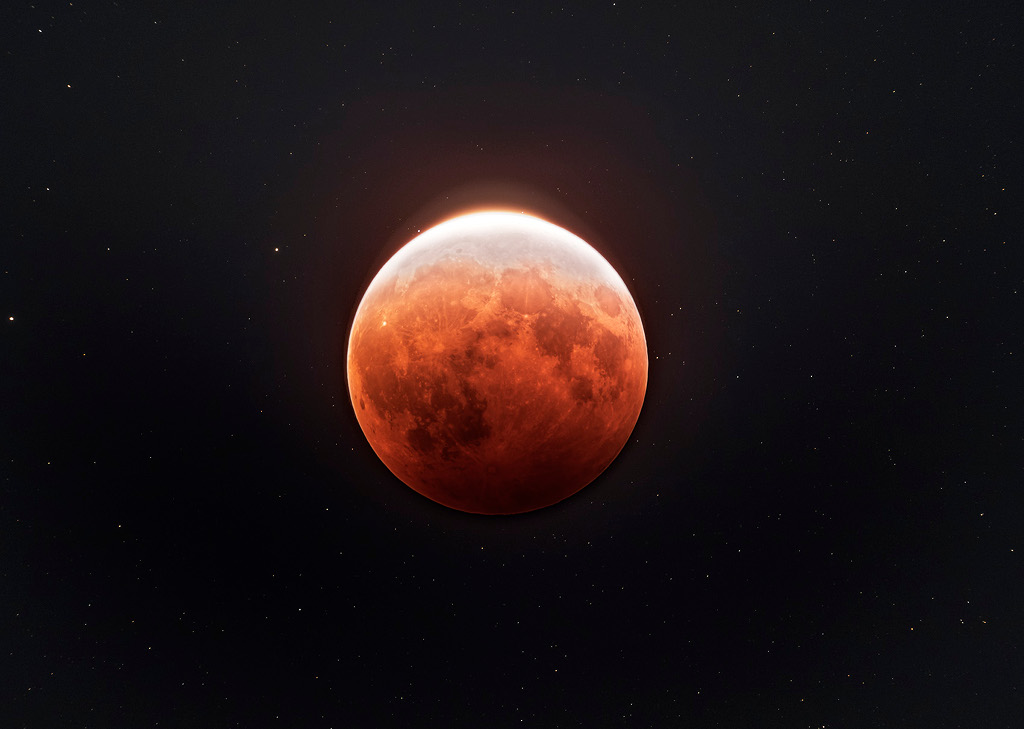
The reddened shadow of planet Earth plays across the lunar disk in this telescopic image taken on May 26 near Sydney, New South Wales, Australia. On that crisp, clear autumn night a Perigee Full Moon slid through the northern edge of the shadow’s dark central umbra. Short for a lunar eclipse, its total phase lasted only about 14 minutes. The Earth’s shadow was not completely dark though. Instead it was suffused with a faint red light from all the planet’s sunsets and sunrises seen from the perspective of an eclipsed Moon, the reddened sunlight scattered by Earth’s atmosphere. The HDR composite of 6 exposures also shows the wide range of brightness variations within Earth’s umbral shadow against a faint background of stars.

from NASA https://ift.tt/34rFgJ3
via IFTTT

Mid Eclipse and Milky Way


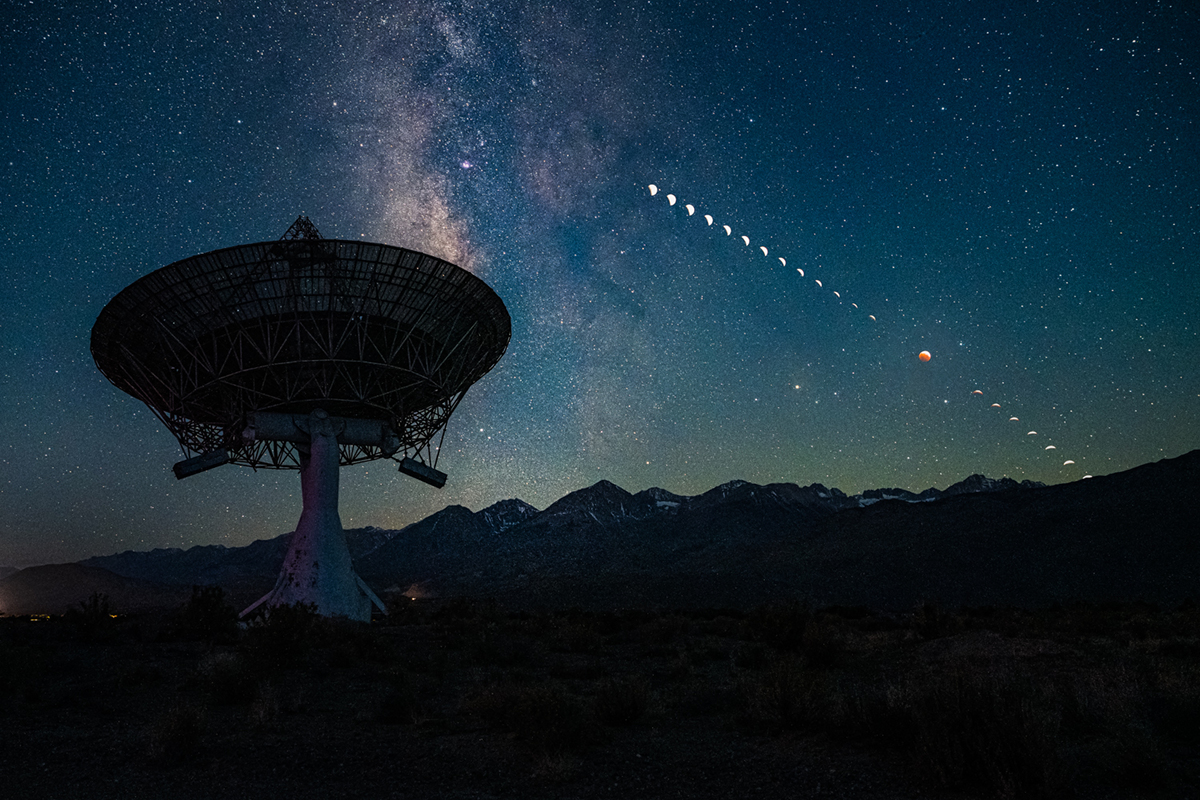
May’s perigee Full Moon slid through Earth’s shadow yesterday entertaining night skygazers in regions around the Pacific. Seen from western North America, it sinks toward the rugged Sierra Nevada mountain range in this time-lapse series of the total lunar eclipse. Low on the western horizon the Moon was captured at mid-eclipse with two separate exposures. Combined they reveal the eclipsed Moon’s reddened color against the dark night sky and the diffuse starlight band of the Milky Way. Frames taken every five minutes from the fixed camera follow the surrounding progression of the eclipse partial phases. In the foreground a radio telescope dish at California’s Owen’s Valley Radio Observatory points skyward.

from NASA https://ift.tt/3fq0q0B
via IFTTT

The Outburst Clouds of Star AG Car


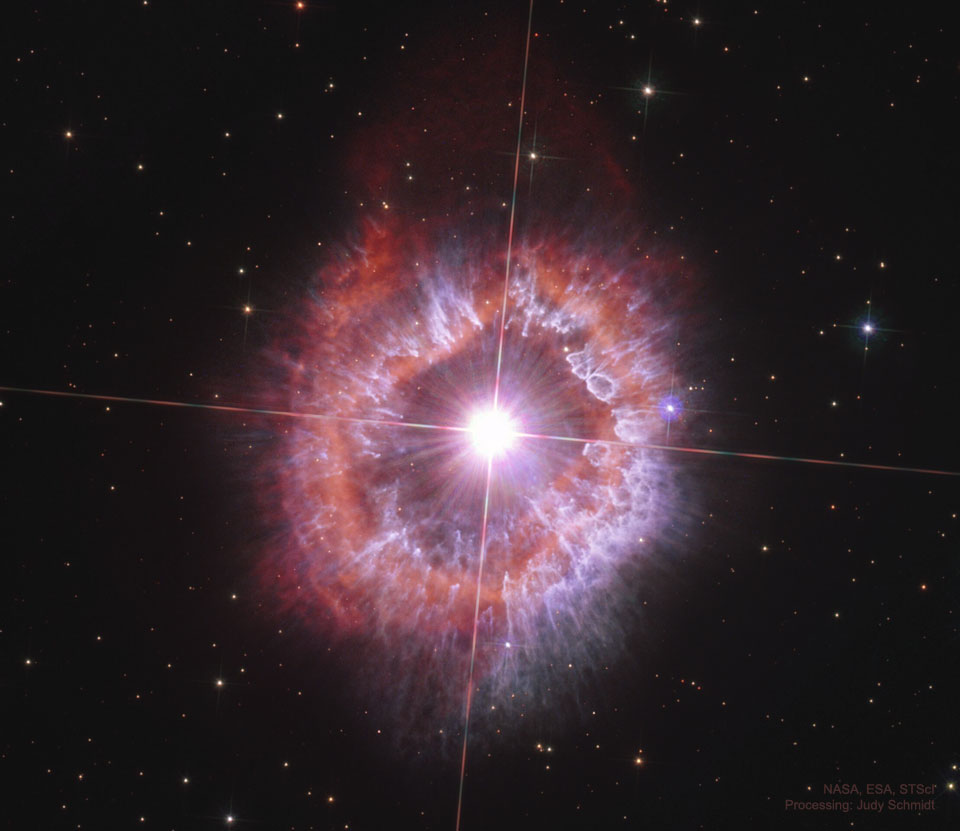
What created these unusual clouds? At the center of this 2021 Hubble image sits AG Carinae, a supergiant star located about 20,000 light-years away in the southern constellation Carina. The star’s emitted power is over a million times that of the Sun, making AG Carinae one of the most luminous stars in our Milky Way galaxy. AG Carinae and its neighbor Eta Carinae belong to the scarce Luminous Blue Variable (LBV) class of stars, known for their rare but violent eruptions. The nebula that surrounds AG Car is interpreted as a remnant of one or more such outbursts. This nebula measures 5 light-years across, is estimated to contain about 10 solar masses of gas, and to be at least 10,000 years old. This Hubble image, taken to commemorate Hubble’s 31st launch anniversary, is the first to capture the whole nebula, offering a new perspective on its structure and dust content. The LBVs represent a late and short stage in the lives of some supergiant stars, but explaining their restlessness remains a challenge to humanity’s understanding of how massive stars work.

from NASA https://ift.tt/3flAe78
via IFTTT

The Moon During a Total Lunar Eclipse


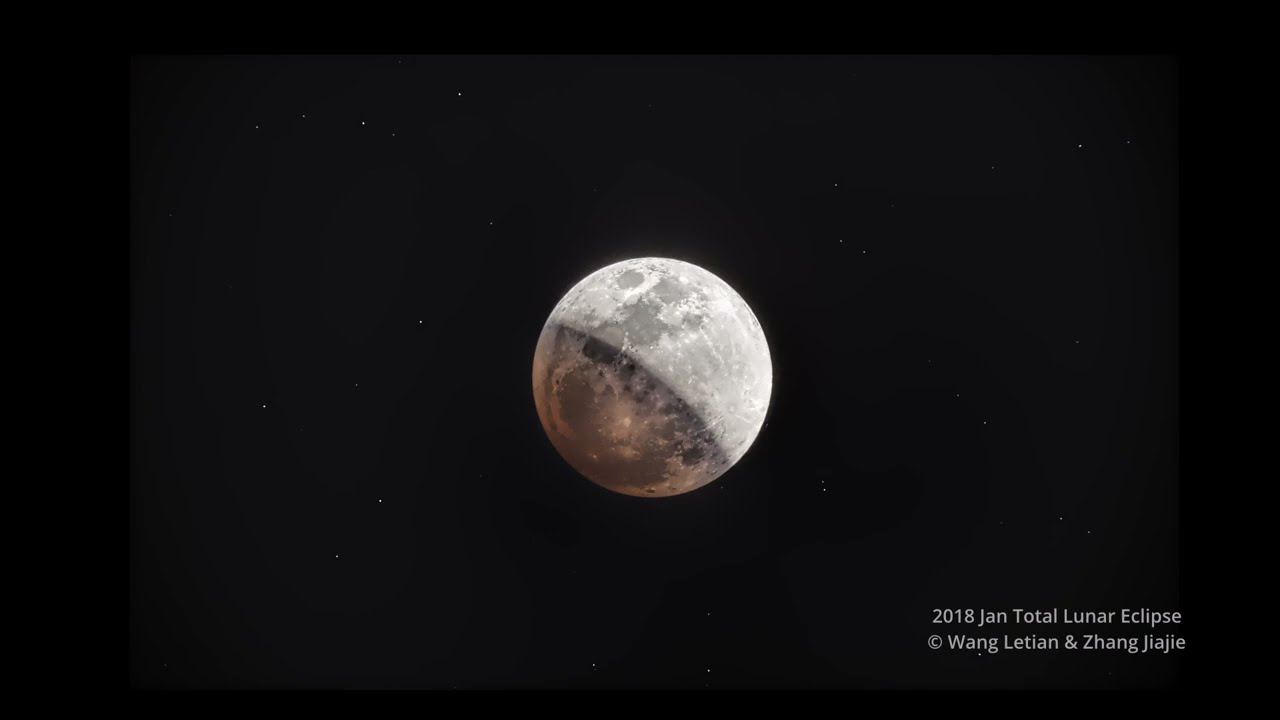
How does the Moon’s appearance change during a total lunar eclipse? The featured time-lapse video was digitally processed to keep the Moon bright and centered during the 5-hour eclipse of 2018 January 31. At first the full moon is visible because only a full moon can undergo a lunar eclipse. Stars move by in the background because the Moon orbits the Earth during the eclipse. The circular shadow of the Earth is then seen moving across the Moon. The light blue hue of the shadow’s edge is related to why Earth’s sky is blue, while the deep red hue of the shadow‘s center is related to why the Sun appears red when near the horizon. Tomorrow, people living from southeast Asia, across the Pacific, to the southwest Americas may get to see a Blood Supermoon Total Lunar Eclipse. Here the term blood refers to the (likely) red color of the fully eclipsed Moon, while the term supermoon indicates the Moon’s slightly high angular size — due to being relatively close to the Earth in its slightly elliptical orbit.

from NASA https://ift.tt/2Sjoc5j
via IFTTT